We all have bad habits we want to eliminate, but what about establishing good habits that help us...





We all have bad habits we want to eliminate, but what about establishing good habits that help us...

As if going gray is not traumatic enough, aging also brings on other hair issues:

You’ve probably met someone who walks into a room and instantly feels comfortable in their own...
Your mother was right. You should eat more fruit and vegetables.
Despite best intentions, they...
10 Helpful Tips to Cook for One Person
Cooking for one person can be challenging if you live alone or if your eating requirements differ from the rest of the household.
First, most recipes assume you’re cooking for multiple people, as in “serves 4-6”. This means you’re faced with either awkwardly dividing the recipe to prepare a single portion or days of leftovers that may or may not remain appetizing for the duration.
Second, shopping is a hassle because some essentials typically aren’t packaged in convenient, smaller portions, such as fresh foods (e.g., a head of lettuce) or shelf-stable foods in containers that cannot be fully used by the expiration date (e.g., spices).
Third, since many of us derive satisfaction from cooking for others, cooking for only ourselves feels less motivating. Lacking that incentive, it’s easy to avoid solo cooking because of the prep time, washing multiple dishes, and other obligations.
Still, eating alone doesn’t have to mean boring meals, wasted food, or a sink full of dishes. The ideas below focus on making solo cooking simpler, more flexible, and easier to stick with week after week.
Meal Planning
Whether you're feeding one person, four people, or 400 people, it all begins with a plan. Start by considering the events of the coming week. For which days will you need to plan meals?
Next, plan for each meal. Some meals will be easy since they vary little, such as having the same breakfast each day. For the other meals, however, you run up against one of the chief stresses of any day-to-day cook: what to make, especially if it’s just for one person? Some conscientious solo chefs pore through cookbooks for ideas. However, many of us settle for easy options like uninspiring frozen entrees, takeout, or expensive delivery services like DoorDash.
Luckily, there are helpful resources that can make meal planning a snap. There are many books on cooking for one that include sample weekly menus. Even more convenient, online AI tools like ChatGPT can provide meal ideas for the week, along with grocery shopping lists. If the suggested food choices are not to your liking, refine your query until you have a meal plan tailored to your preferences.
Buy Ingredients Usable in Multiple Dishes
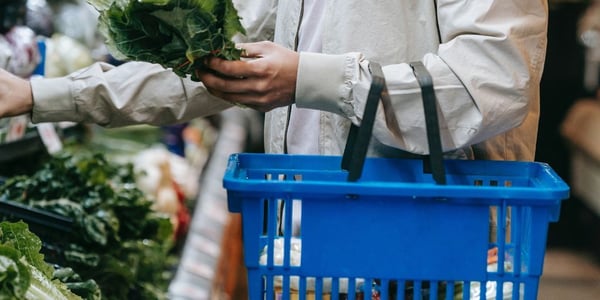
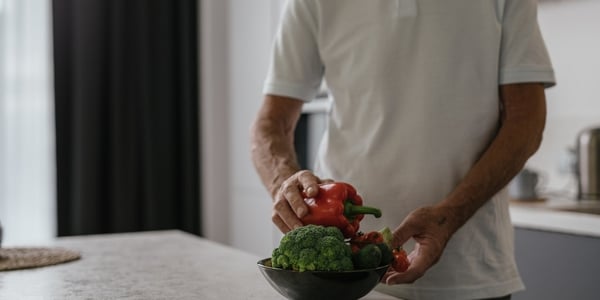
One way to do this is to get a limited range of foods that may be used in several different dishes. For example, consider buying spinach, bell peppers, onions, and mushrooms, which can all be used in quiche, tacos, spaghetti, rice, soups, and other dishes.
Stock Non-Perishables
Stock your pantry with grains and legumes that keep for a long time. Buy in bulk and store in airtight food storage containers that make it easy to quickly measure out only what you need for a recipe. When you stock up this way, you can avoid convenience foods from the grocery store that are overly wrapped in plastic, plus buying in bulk is incredibly economical.
Learn Easy Recipes
Look for recipes that don't require recalculating ingredient measurements and are simple to prepare for one person, including sandwiches, omelets, pasta, smoothies, stir fry, salad, and quesadillas. When you are familiar with a couple of easy recipes designed for a single person, you can prepare a meal quickly.
Use Frozen Fruits/Vegetables
If you're already chopping vegetables, you might as well make a big batch and freeze them for later use. This way, you’ll save time preparing future meals and won’t have to worry about using them up before they go bad. This will provide one less excuse not to make a healthy meal since some of the meal prep work is already done. For further convenience, you can also buy precut frozen fruits and veggies from the grocery store.
Fixed or flexible income affects how you plan meals and shop. Social Security advising helps align benefits with real-life expenses.
Make Portion Reduction Easy
To reduce leftovers, don't be scared to halve your favorite recipe. If a recipe calls for a 9-by-13-inch baking dish, for instance, you can typically cook half the ingredients in an 8-by-8-inch version instead. Don't forget to remember that it will probably cook more quickly. Likewise, you can cut the ingredients in half and use a smaller pot for recipes like stews, soups, and chili.
Freeze Extra for Future Meals
The freezer is a wonderful invention for solo cooking. Aside from fruits and vegetables, you can freeze raw and cooked meats, as well as fully cooked meals. Invest in some high-quality single-serving containers that are both freezer- and microwave-friendly. Then, dole out the cooked food into the containers for freezing. Remember to label and date the containers so you can identify the food in its frozen state and decide what to eat first based on the date.
Recreate The Leftovers
Donate Extra Ingredients
One challenge with cooking for one is having extra ingredients. All ingredients rarely get used completely, regardless of how many portions you make. One solution to this problem is to give some of the extra ingredients (like an unopened bag of flour or a can of beans) from your recipe to a friend, family member, or a local food shelf. Someone will appreciate the food, and it will be better than letting it expire in your pantry.
Consider A Meal Delivery Kit
There are a growing number of “meal kit " services that deliver pre-portioned ingredients and recipes, typically via subscription. With these, you can prepare healthy, home-cooked meals without worrying about meal planning or running to the store for ingredients.
Cooking for one offers a quiet kind of freedom. You choose what sounds good, when to eat, and how much effort to put in. There’s room to experiment, improvise, and revisit favorite flavors without compromise. Food doesn’t lose its meaning just because you’re the only one at the table. When meals fit your pace and preferences, they become something to look forward to rather than avoid.
When meals revolve around flexibility, your finances should too. A reliable checking account supports frequent shopping, meal kits, and quick adjustments without hassle.
Living50+